
Extracorporeal Shock Wave Therapy Glastonbury
The Shock to the System You Need
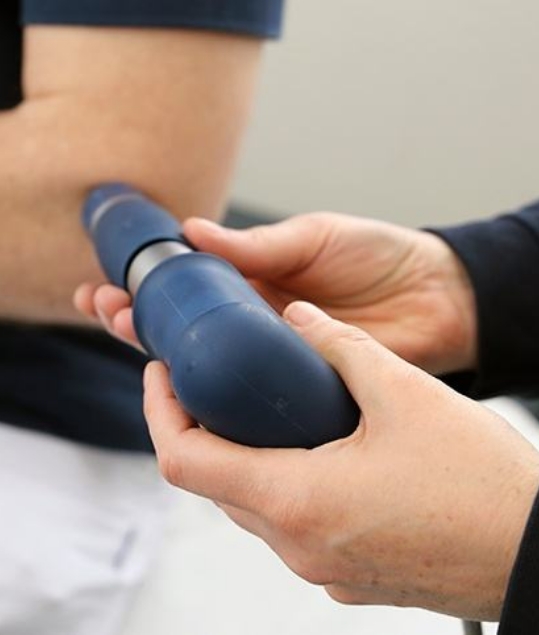
Extracorporeal Shock Wave Therapy, or ESWT, is a non-surgical procedure used to treat chronic pain due to tendinitis, sprains, strains, muscle injuries, and other conditions. “Extracorporeal” means outside (extra) the body (corporeal). It’s a non-invasive treatment. It uses rapid high-intensity pulses of mechanical energy to help break up scar tissue, enhance blood flow, and promote tissue healing. Contact our office in Glastonbury to learn more about this incredible treatment option and how it can help you!
Why Choose New England Stem Cell Institute for ESWT?
- Treat ED Without Surgery or Drugs
- Relieve Sprains & Strains, Avoid Surgery
- Treatment Provided by Leading Experts with Decades of Experience
What Can Be Treated with ESWT?

Conditions that are commonly treated with ESWT include:
- Plantar fasciitis
- Achilles tendinitis
- Tennis and Golfer’s elbow
- Shoulder tendinitis
- Hamstring strains
- Other chronic tendon and muscle injuries, sprains, and strains
How are ESWT treatments given?
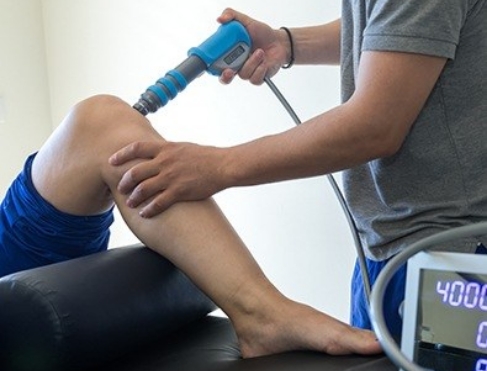
Treatments take about 15 minutes from beginning to end. While one treatment may provide immediate relief, in most cases, 6 or more treatments are needed. Treatments are usually given 1 - 2 times per week. The device is gently applied to the skin and held in place by the technician. You’ll only feel a rapid tapping during the procedure as it works to stimulate healing.
Extracorporeal Shockwave Therapy FAQs
How Effective Is Shockwave Therapy?
Studies show an overwhelming success rate for extracorporeal shockwave therapy. A group of 150 patients were asked to rate their pain level on a scale of 1 to 10, with an average rating of 7.7 pain level prior to receiving treatment.
Following a single treatment, patients were asked a year later to rate their pain level again on the same scale. Most reported an average pain score of 0.6, which is a 92% reduction in pain and a much higher rate of success than any non-surgical or surgical alternative.
When Should I Consider Shockwave Therapy?
There are many reasons why you should consider extracorporeal shockwave therapy for chronic pain relief. One of the most significant reasons is that it’s just as effective as other methods without the risks, complications, or long recovery times. Some other great benefits include:
- Non-surgical treatment
- Accelerated healing
- No anesthesia required
- No risk of infection
- No scarring
How Soon Will Shockwave Therapy Work?
Most patients require three sessions of shockwave therapy (with each one being a week apart) before significant pain relief is noticed. Some conditions may need up to five treatments! Rest assured – your doctor will discuss your particular case and expectations with you. Once you’re done with your treatment, they’ll arrange to see you again to gauge how you’re progressing.
What Kind of Recovery Should I Expect?
Extracorporeal shockwave therapy creates micro-trauma in the targeted area, forcing your body to create new tissue cells. You can expect gradual healing to take place over days, weeks, or months. Although it’s not very common, you may have mild soreness or bruising following your treatment. Some patients experience complete pain relief from day one, while most have noticeable to significant improvement by the thirteenth week.
It's worth noting that approximately 20% of patients will need a second treatment after sixteen weeks. Since the injury and associated pain take time to develop, it’s expected that the healing will take just as long. Keep in mind that the total healing time of the affected area could take up to one year.
Should I Try Other Therapies Before Considering ESWT?
While ESWT is very effective, it is not considered a first-line treatment for most conditions. Therefore, we may only recommend it if you have tried more conservative ways to address your symptoms, such as rest, activity modification, and physical therapy. If these measures have proven to be inadequate, and you are still struggling, ESWT could be a great option.
During your consultation, our Glastonbury team will consider all the details of your case, including other therapies that you may have already tried, to determine whether shockwave therapy is a good fit for you. Our goal is to arrive at the most conservative solution that will still be effective for your unique situation.
Does ESWT Shockwave Therapy Hurt?
During your session, you may feel repeated tapping or pulsating sensations on your skin. Some patient say it feels like a rubber band snap. It may be mildly uncomfortable, and some patients develop bruising afterward.
You might experience pain relief soon after your session, but there is a chance you will need to go through a recovery period before the benefits kick in. During this recovery, you might notice a slight increase in discomfort.
Does Medical Insurance Cover ESWT?
Coverage for ESWT is pretty inconsistent between health insurance policies. Our team can help you understand your financial obligation and make sure you have all the information you need to make well-informed decisions about your treatment plan.